
How Distressed Properties Create Remodel Jobs in 2026
Distressed properties are homes priced below market value due to physical neglect, financial default, or ownership complications, and they are the primary engine behind remodel job creation in residential real estate. Understanding how distressed properties create remodel jobs means recognizing that every foreclosure, code violation, and deferred maintenance signal translates directly into contractor work, material orders, and skilled labor demand. FHA-backed foreclosures rose 28% in Q1 2026, a direct result of pandemic-era relief programs expiring. That surge means more distressed inventory is entering the market right now, and each property carries a renovation scope that needs to be filled.
How distressed properties create remodel jobs: the core mechanics
Every distressed property arrives with a repair list. The condition that makes it cheap is the same condition that generates work. Structural neglect, deferred maintenance, and code violations each require licensed contractors, specialized labor, and phased project management.
The remodeling work on distressed homes falls into three clear categories. Each category represents a distinct type of job opportunity for contractors and investors.
Structural repairs. Foundation cracks, roof failures, and compromised framing are the first priority. These jobs require structural engineers, licensed contractors, and often city permits. They are non-negotiable before any cosmetic work begins.
Mechanical and systems upgrades. Outdated plumbing, knob-and-tube wiring, and failed HVAC systems create steady work for licensed tradespeople. These upgrades are required for loan qualification and occupancy permits in most U.S. markets.
Cosmetic renovations. Painting, flooring, kitchen updates, and bathroom refreshes are the visible layer. They drive resale value and buyer appeal, but only after structural and mechanical work is complete.
The sequencing matters. Investors who skip to cosmetic work before addressing structural and mechanical issues face costly rework. The correct order is safety and code compliance first, systems second, and finishes last. This sequencing creates a predictable pipeline of jobs across multiple trades on a single property.
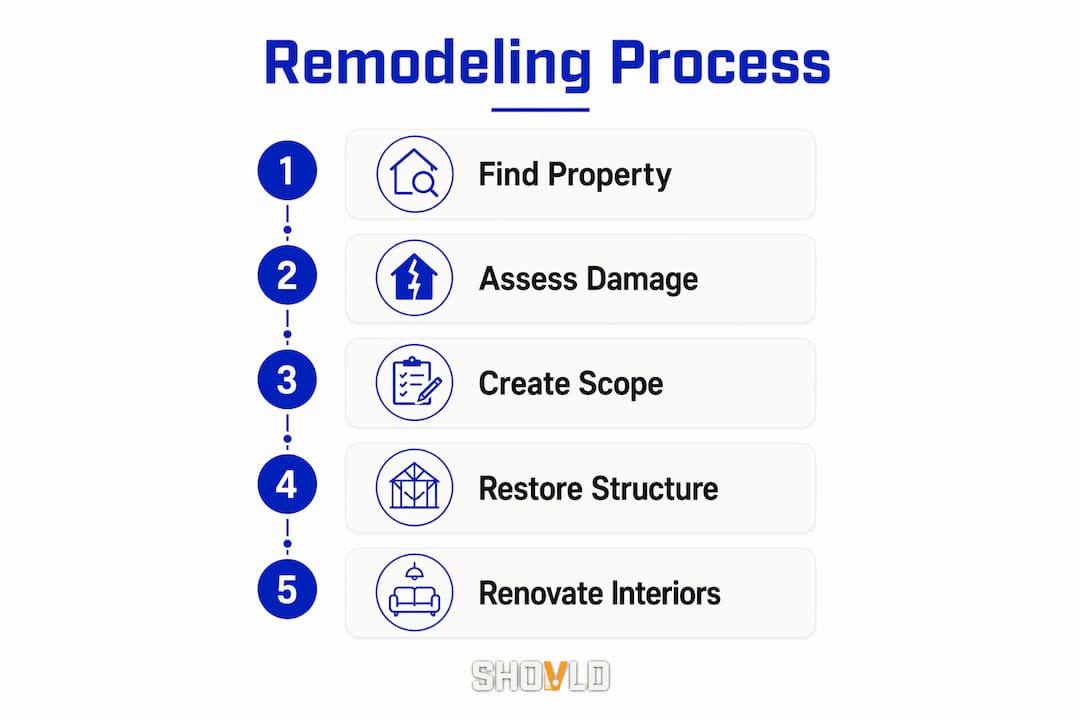
Finding undervalued properties needing work is the first step. The repair scope that follows is where the real job volume lives.
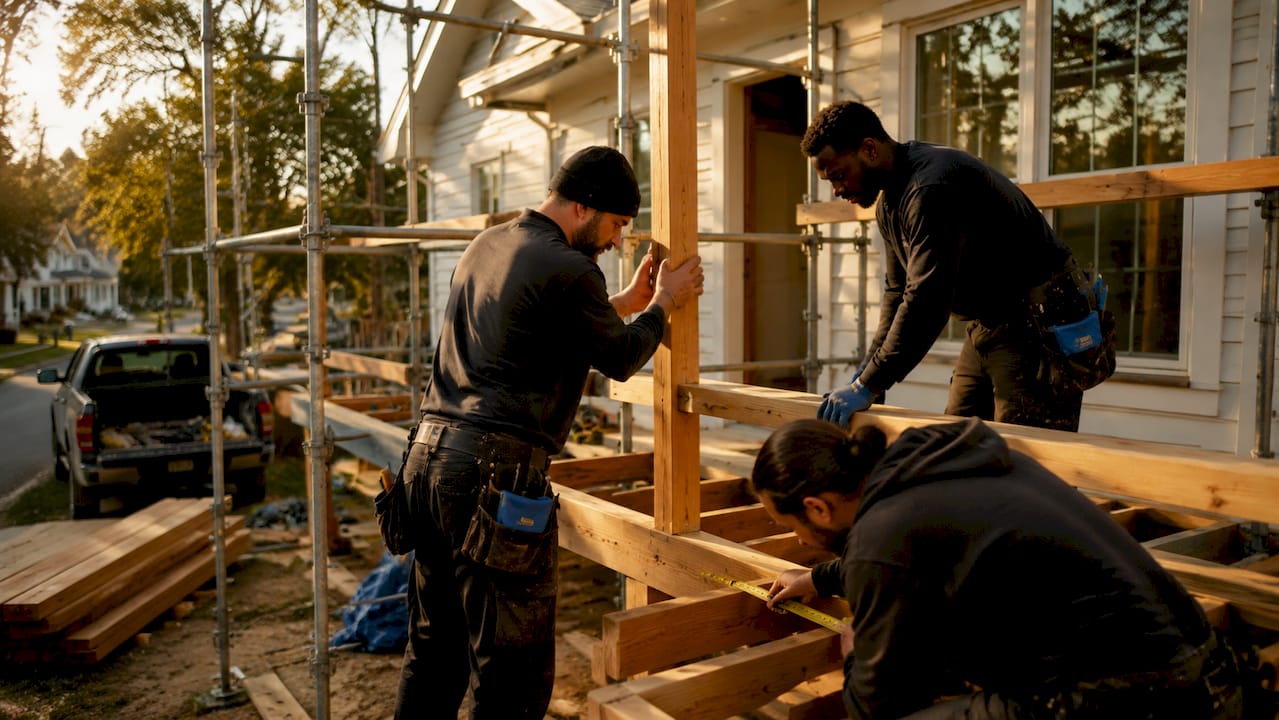
What market trends in 2026 are shaping renovation priorities?
The 2026 market has shifted the type of remodel jobs that distressed properties generate. Buyers now favor “livable fixers” over properties requiring full gut renovations. This preference shift is driven by elevated labor costs and the desire to limit upfront financial exposure.
That shift changes what investors and buyers prioritize when remodeling distressed properties. The jobs being created are more targeted and phased rather than comprehensive overhauls. Here is how priorities rank in the current market:
Kitchen and bathroom upgrades. Kitchens and bathrooms yield higher resale premiums than luxury finishes in middle-market areas. These rooms generate the most contractor work per dollar spent and deliver measurable return on investment.
Safety and habitability repairs. Buyers financing through FHA or conventional loans need properties to meet minimum property standards. Electrical panels, roof condition, and plumbing integrity are gating items for loan approval.
Phased cosmetic improvements. Elevated renovation costs push buyers to spread improvements over time rather than completing everything before move-in. This creates ongoing remodel job demand well after the initial purchase.
Energy efficiency upgrades. Insulation, windows, and HVAC efficiency improvements are increasingly market-driven requests, not luxury additions. They reduce operating costs and improve appraisal values.
Pro Tip: Focus renovation budgets on kitchens, bathrooms, and mechanical systems before any cosmetic work. These three categories deliver the strongest combination of loan qualification support and resale premium in the current market.
The practical implication is clear. Investors who align their renovation scope with what buyers actually want in 2026 create faster sales cycles and better margins. The job opportunities in home remodeling follow that same alignment.
What are the best practices and pitfalls when remodeling distressed properties?
Most distressed property deals fail during renovation, not at purchase. The reasons are consistent: underestimated scope, poor contractor management, and no clear plan before work begins. Avoiding these failures requires discipline before the first nail is pulled.
Build a detailed Scope of Work before anything else
A written Scope of Work (SOW) defines every task, material, and cost before work starts. A detailed SOW reduces cost overruns by 20–40% and aligns everyone involved in the project. Without it, contractors fill gaps with assumptions, and those assumptions cost money.
The SOW should include room-by-room task lists, material specifications, permit requirements, and a realistic timeline. Investors who skip this step are not saving time. They are borrowing against future budget.
Restore before you renovate
Property restoration before renovation is the most commonly skipped step in remodeling distressed homes. Odor removal, mold remediation, and contamination cleanup must happen before any cosmetic work. Painting over mold or installing new flooring over water-damaged subfloor creates a failed renovation, not a finished one.
This step also protects contractors. Mold and biohazard conditions create liability and health risks for workers. Addressing them first is both a legal and financial protection.
Pro Tip: Budget for a professional property assessment and restoration phase before your renovation budget begins. Treat it as a separate line item, not an afterthought.
The most common pitfalls to avoid
Emotional reactions to visible defects. Peeling paint and dated fixtures are not the problem. Foundation cracks and failing roofs are. Investors who overprice cosmetic issues and underprice structural ones lose money.
Underestimating contractor management. Distressed properties require active project oversight. Contractors working without supervision on complex rehabs frequently expand scope without authorization.
Running out of capital mid-project. Industry guidelines recommend a 10–15% contingency buffer on all renovation budgets. That buffer exists because distressed properties almost always reveal hidden problems once walls open.
No exit strategy. Every renovation project needs a defined exit: resale, rental, or owner-occupancy. The exit determines the renovation standard and the budget ceiling.
The investors who succeed at remodeling distressed properties treat each project as a business problem, not a creative exercise. The goal is a marketable property at a profitable cost, not a perfect house.
How do renovation projects on distressed properties impact local communities?
Remodeling distressed properties generates benefits that extend well beyond the investor’s profit margin. The impact of distressed homes on neighborhoods is measurable and significant when renovation work is done well.
Neighborhood safety and aesthetics improve. Vacant and neglected properties attract crime and reduce surrounding property values. A renovated home stabilizes the block and signals reinvestment to other owners.
Housing inventory expands for first-time buyers. Renovated distressed homes enter the market at price points that move-in-ready new construction cannot match. This creates access for buyers priced out of the primary market.
Contractor and supplier jobs are created locally. Every renovation project employs general contractors, subcontractors, material suppliers, and laborers. The economic activity stays in the local market.
Property tax revenues increase. A renovated property reassesses at a higher value, generating more tax revenue for schools, infrastructure, and municipal services.
“Flipping distressed properties is profitable and socially beneficial. It provides liquidity and housing options for buyers priced out of move-in-ready homes.” — REI America, 2026
The alignment between profit motive and community benefit is one of the more underappreciated dynamics in residential real estate. Investors who understand this connection approach renovation projects with a different mindset. They are not just fixing houses. They are creating value in a market that needs it.
Foreclosure activity driving contractor work in 2026 is not a temporary trend. It is a structural shift with multi-year implications for remodel job volume across U.S. markets.
Key takeaways
Distressed properties create remodel jobs by converting neglected, undervalued homes into marketable assets through structural, mechanical, and cosmetic renovation work that requires skilled labor at every stage.
PointDetailsForeclosure surge drives job volumeFHA foreclosures rose 28% in Q1 2026, expanding distressed inventory and remodel demand.Sequence work correctlyAddress structural and mechanical issues before cosmetic upgrades to avoid costly rework.Use a Scope of WorkA written SOW reduces cost overruns by 20–40% and keeps contractors aligned on scope.Budget a 10–15% contingencyHidden problems in distressed properties are common; the buffer prevents mid-project capital failure.Community benefits are realRenovated distressed homes create contractor jobs, raise tax revenues, and expand affordable housing supply.
My honest read on remodeling distressed properties in 2026
The investors I see succeed at remodeling distressed properties share one trait: they treat renovation as problem-solving, not perfection-chasing. The goal is never the most beautiful house on the block. The goal is the right house for the right buyer at the right price point.
The 2026 market actually rewards this mindset. Buyers want livable, functional homes. They are not expecting granite countertops in a $180,000 price range. They want working plumbing, a solid roof, and a kitchen that does not embarrass them. That is a very achievable renovation scope, and it generates real margin.
My advice for anyone starting out: pick manageable projects first. A property needing a kitchen refresh, new flooring, and a paint job is a very different risk profile than a full structural rehab. Build your process on the simpler deals before you take on the complex ones.
The broader opportunity here is also worth naming. Renovation projects for distressed properties are not just financial plays. They are one of the few places in real estate where doing well and doing good actually overlap. You make money. The neighborhood improves. A first-time buyer gets a home they can afford. That is a sustainable business model, not just a transaction.
The investors who recognize that alignment will be the ones still active in this market five years from now.
— Avi
Shovld helps you find distressed opportunities before the crowd does
Knowing that distressed properties create remodel jobs is one thing. Finding those properties before they hit the open market is another problem entirely.

Shovld tracks permits, code violations, deferred maintenance patterns, HOA pressure, and distressed-property indicators across multiple U.S. markets. The platform converts scattered public records into verified, scored opportunities so contractors and investors can act before a property becomes a bidding war. Whether you are sourcing your next renovation project or building a predictable pipeline of remodel work, Shovld’s signal intelligence plans give you early visibility that generic listing searches cannot match.
FAQ
What makes a property “distressed”?
A distressed property is one priced below market value due to physical neglect, financial default, or ownership complications such as foreclosure or probate. These conditions create the repair scope that generates remodel job opportunities.
What types of remodeling work do distressed properties typically need?
Distressed properties most commonly require structural repairs, mechanical system upgrades, and cosmetic renovations. Work is sequenced from safety and code compliance first through to finishes last.
How much contingency should I budget for remodeling a distressed property?
Industry guidelines recommend a 10–15% contingency buffer on top of your renovation budget. Distressed properties almost always reveal hidden structural or mechanical problems once work begins.
Why do kitchens and bathrooms matter most in distressed property renovations?
Kitchen and bathroom upgrades yield higher resale premiums than luxury finishes in middle-market areas. These rooms directly influence buyer decisions and appraisal values in the current market.
How does remodeling distressed homes create jobs beyond the renovation itself?
Each renovation project employs general contractors, subcontractors, material suppliers, and local laborers. Completed projects also raise property tax revenues and expand housing inventory for first-time buyers.